
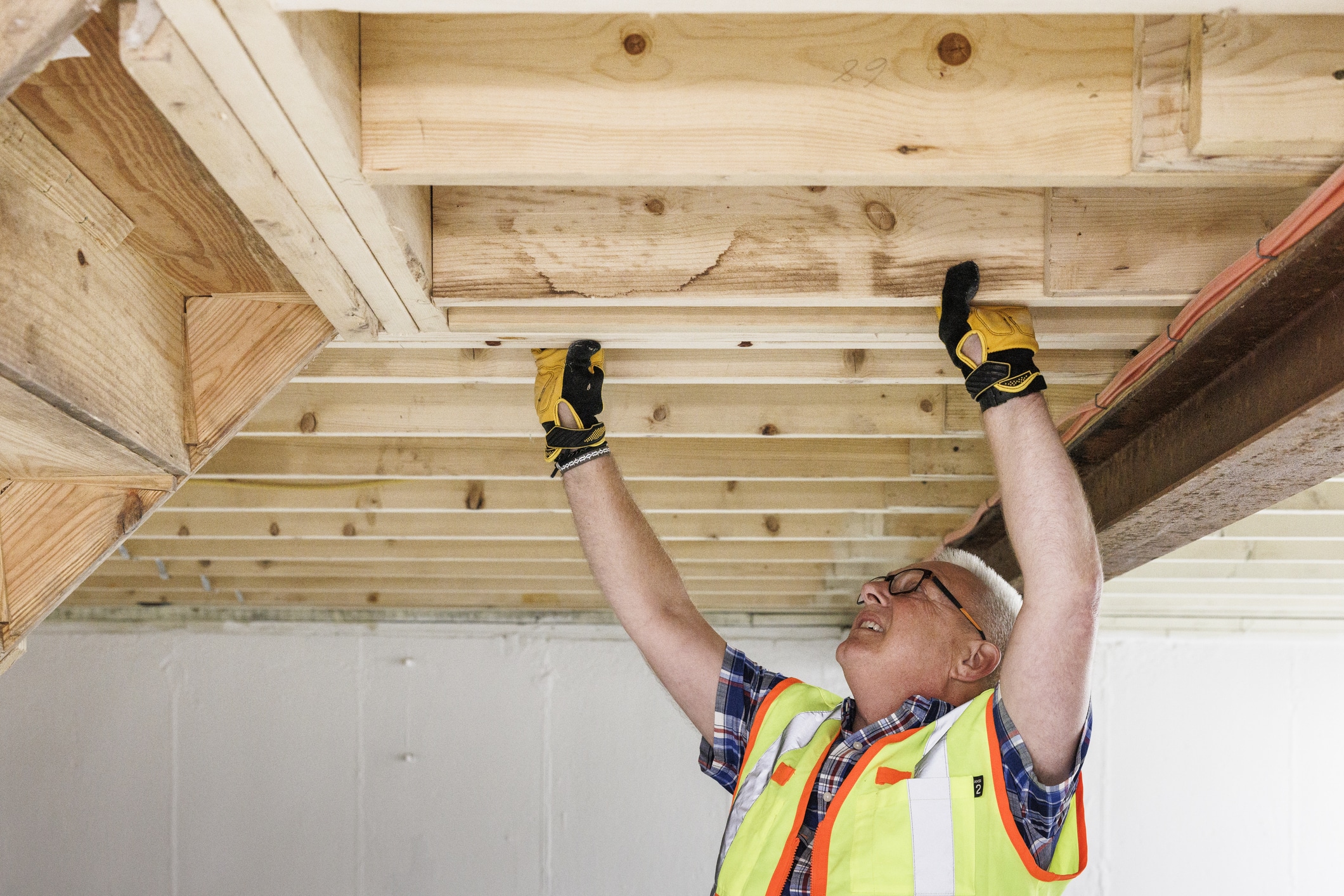
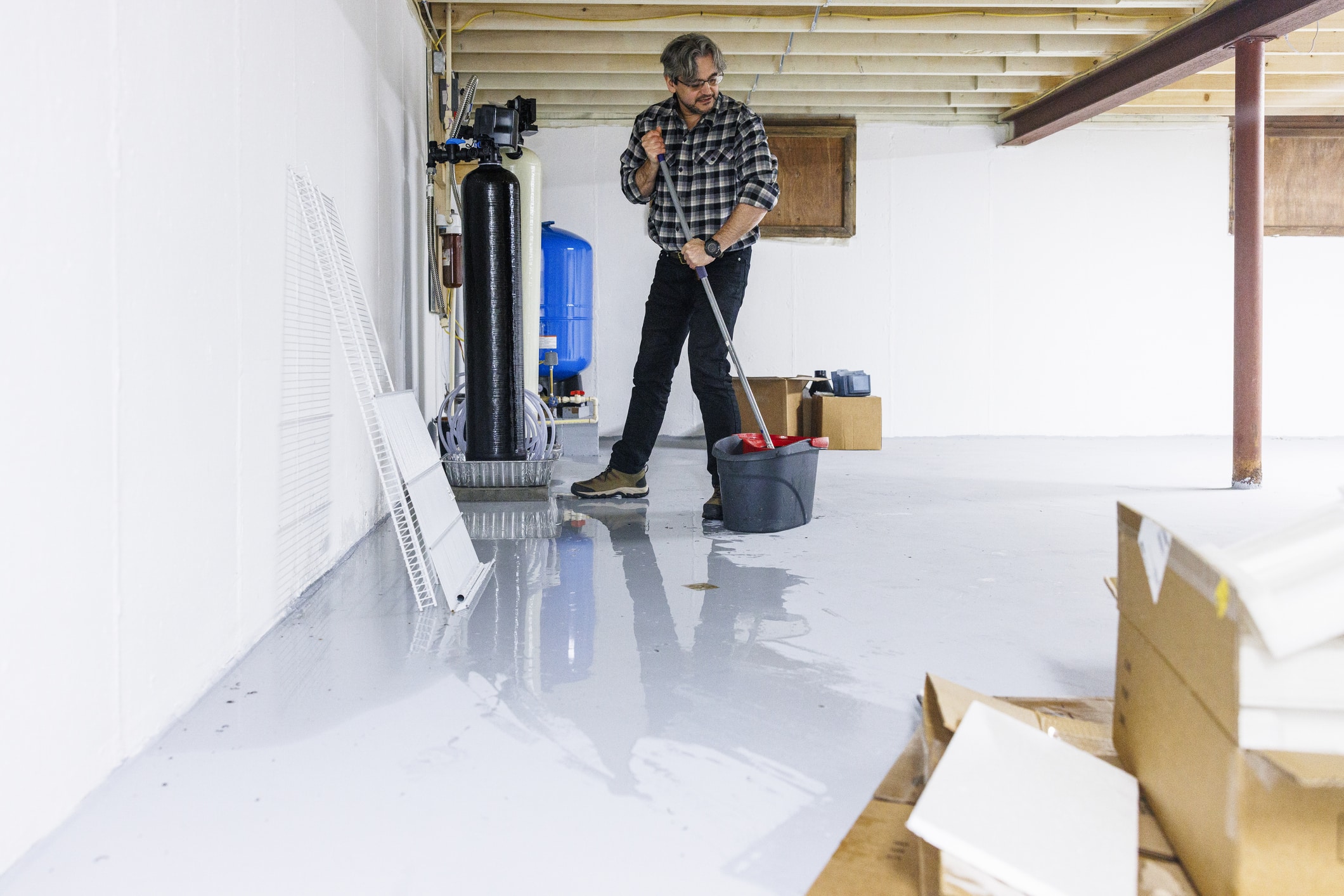
Quick answer: Do not finish a basement over an unresolved moisture problem. Before framing and drywall, check the foundation walls and slab for staining, dampness, cracks, plumbing leaks and signs that exterior grading or drainage may be directing water toward the house.
Basement finishes can hide a moisture problem temporarily, but they cannot solve it. The right time to investigate is when the foundation is still visible.
Why Moisture Needs to Be Addressed Before Finishing
Water and persistent dampness can damage drywall, insulation, flooring, trim and cabinetry. It can also create conditions for mould growth and odours.
A basement-development budget should therefore separate water-management repairs from cosmetic renovation work.
Common Sources of Basement Moisture in Calgary
- poor exterior grading;
- downspouts discharging too close to the foundation;
- foundation cracks;
- window-well drainage problems;
- plumbing leaks;
- condensation on cold surfaces;
- sump or drainage-system issues; and
- water entry around penetrations.
Check Exterior Grading First
Water should move away from the home rather than collect beside the foundation. Low areas near the house or landscaping that slopes inward can increase the amount of water reaching the foundation.
Inspect Downspouts and Eavestroughs
Roof water represents a large amount of drainage during Calgary rainstorms. Downspouts should discharge appropriately and not concentrate water beside basement windows or foundation walls.
Look for Foundation Cracks
Not every concrete crack is an active leak, but cracks should be assessed before they disappear behind insulation and drywall. Evidence of staining, mineral deposits or repeated dampness deserves closer investigation.
Check Basement Window Wells
Window wells need to manage both surface water and drainage. A new egress-window project may include excavation, a larger well and drainage provisions depending on the site conditions.
See our Calgary egress-window guide if bedrooms are part of the design.
Plumbing Leaks vs. Foundation Water
Not every wet basement is caused by groundwater. Leaking valves, drain connections, humidifiers, hot-water equipment and plumbing lines can create localized moisture that looks like foundation seepage.
What About Condensation?
Condensation occurs when warm, humid air contacts a cold surface. Basements are particularly vulnerable around foundation walls, ducts and pipes.
Proper insulation, air sealing, ventilation and humidity control help reduce condensation risk in a finished basement.
Should You Waterproof From the Inside?
The correct repair depends on the source of the water. Interior systems can be appropriate in some situations, while exterior excavation, foundation repair, drainage correction or grading may be more appropriate in others.
A renovation contractor should not simply cover active water entry and call it waterproofed.
Basement Flooring and Moisture
Concrete slabs can feel cold and may transmit moisture. Subfloor products, appropriate underlayments and flooring choices can improve comfort, but they should not be used to mask active water problems.
Our earlier guide to basement subfloor systems explains one common approach.
Moisture Checklist Before Framing
- Inspect visible foundation walls.
- Check cracks and previous repairs.
- Look for staining or efflorescence.
- Review exterior grading.
- Check downspout discharge.
- Inspect window wells.
- Check plumbing and mechanical equipment for leaks.
- Confirm sump/drainage equipment is functioning where applicable.
- Address active problems before insulation and drywall.
Basement Moisture FAQs
Can you renovate a basement that has had water before?
Yes, but the source of the water should be understood and addressed before the new finishes are installed.
Should I replace drywall after a basement leak?
That depends on the extent of the water exposure, how quickly the area dried and whether materials were damaged or contaminated. A proper assessment is more reliable than covering the area.
Does a new basement development need a moisture inspection?
There is no substitute for reviewing the visible foundation conditions before they are covered. We treat this as part of responsible pre-construction planning.
Planning a Basement Renovation?
Moisture, layout, permits and mechanical conditions should all be reviewed before construction begins. Explore our Calgary basement renovation services or request a consultation.